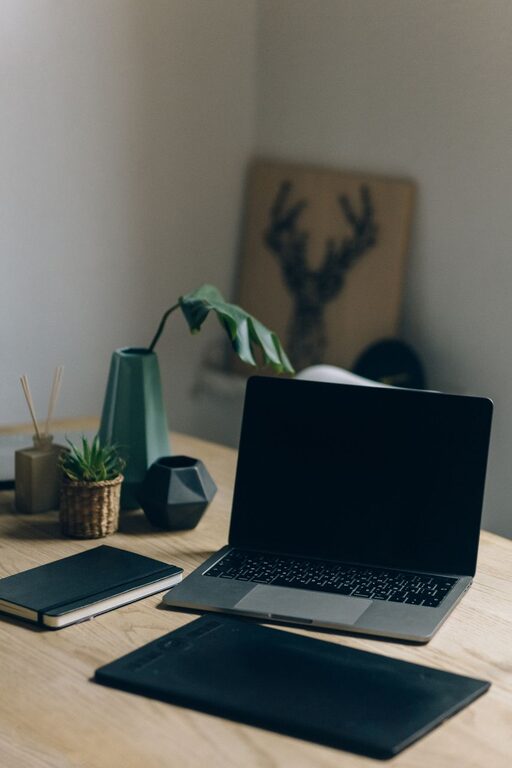
Creating a home office space that is both relaxing and productive can greatly improve your work-from-home experience. Whether you’re a remote worker, freelancer, or just need a dedicated corner for tasks, designing an environment that balances focus and comfort is key. Here are some practical tips to help you craft a home office that encourages productivity while also keeping stress at bay.
Choose the Right Location
Selecting the best spot for your home office is the foundation of a productive workspace. Ideally, your office should be in a quiet area away from distractions like the TV or busy household areas. If possible, choose a room with a door to minimize interruptions.
Natural light is another great factor to consider. Position your desk near a window to brighten the space and help improve your mood. If natural light is limited, invest in good-quality lighting options to keep your space well-lit without harsh glare.
Invest in Comfortable and Functional Furniture
Comfort is essential for long hours spent working. Here’s what to consider:
– Ergonomic Chair: Look for an adjustable chair that supports your back and promotes good posture.
– Desk: Choose a desk with enough surface area for your computer, notebooks, and other essentials without crowding.
– Adjustable Features: Adjustable height desks or standing desk converters offer flexibility to change positions during the day, which can improve circulation and focus.
Arranging furniture to allow easy movement and accessibility helps maintain a comfortable flow in your workspace.
Organize with Purpose
Clutter can be stressful and distracting. Keeping your home office organized helps reduce mental clutter and keeps you focused.
– Use shelves, drawers, or filing cabinets to store documents and supplies.
– Use cable organizers or clips to manage cords neatly.
– Keep frequently used items within arm’s reach.
– Declutter your desk daily to start fresh the next workday.
Having a dedicated place for everything streamlines your workflow and reduces wasted time searching for materials.
Incorporate Calming Elements
Adding relaxing touches to your home office helps create a positive and stress-free environment.
– Plants: Indoor greenery improves air quality and adds a natural, calming vibe.
– Colors: Choose soothing wall colors like soft blues, greens, or neutrals to enhance relaxation.
– Personal Touches: Photos, artwork, or décor that inspires you can brighten your workspace without causing distraction.
– Aromatherapy: Consider a subtle diffuser with calming scents like lavender or eucalyptus for a peaceful ambiance.
These elements make the space inviting and encourage a balanced mindset during work hours.
Optimize Lighting and Screen Settings
Good lighting reduces eye strain and keeps you alert.
– Balance natural and artificial lighting.
– Use adjustable desk lamps for focused task lighting.
– Position screens to avoid glare and adjust brightness and contrast settings.
– Take short breaks to rest your eyes regularly.
Proper lighting makes long work sessions more comfortable and sustainable.
Set Boundaries and Routine
Creating and sticking to a routine can greatly improve productivity and relaxation.
– Set specific work hours to separate professional and personal time.
– Use your office only for work to condition your mind for focus.
– Schedule breaks for stretching, hydration, or a quick walk.
– Use noise-canceling headphones or background music if needed to maintain concentration.
Clear boundaries help maintain work-life balance when your office is at home.
Use Technology Wisely
Technology can both help and hinder productivity.
– Utilize productivity apps or task managers to stay organized.
– Avoid unnecessary notifications during focused work periods.
– Invest in quality equipment like a good keyboard, mouse, or headset.
– Secure your internet connection to avoid disruptions.
Using technology intentionally allows you to work smarter and reduce distractions.
Keep It Adaptable
Your needs may change, so having a flexible setup can be beneficial.
– Modular furniture lets you rearrange as needed.
– Adjustable lighting or décor can be updated seasonally for comfort.
– Keep extra storage or space for collaboration if you work with others.
– Allow room for future technology or equipment upgrades.
An adaptable office grows with you and supports long-term productivity.
—
By thoughtfully designing your home office—including location, furniture, organization, and ambiance—you can create a space that not only supports your work but also promotes relaxation. A well-balanced workspace helps you stay focused, reduces stress, and makes working from home an enjoyable experience. Experiment with these tips and personalize your office to find what works best for your comfort and productivity.
About the Author