
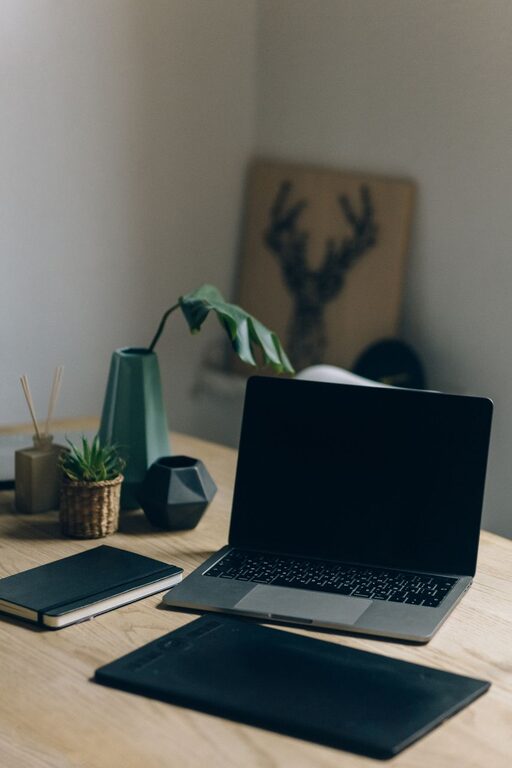
Creating a productive home office environment can significantly enhance your work-from-home experience. Whether you’re new to remote work or looking to improve your current setup, small changes can make a big difference. This guide offers practical tips to help you create a workspace that promotes focus, reduces distractions, and keeps you comfortable throughout the day.
Why a Productive Home Office Matters
Working from home offers flexibility, but it can also bring challenges such as distractions and blurred lines between work and personal life. Having a dedicated, well-organized workspace helps improve concentration and sets clear boundaries. This boosts your efficiency and helps maintain a healthy work-life balance.
Choosing the Right Location
Find a Quiet Spot
Select a quiet area in your home where interruptions are minimal. If possible, pick a room with a door you can close. This helps mentally separate work time from home time.
Consider Natural Light
Natural light enhances mood and energy. Set up your desk near a window if available. If not, invest in quality artificial lighting that mimics daylight to reduce eye strain.
Ergonomics and Comfort
Invest in a Good Chair
An ergonomic chair that supports your back is key for comfort during long work hours. Look for adjustable features so you can customize it to your posture.
Proper Desk Height
Your desk should allow your elbows to rest comfortably at a 90-degree angle. If your desk is too high or too low, consider adjustable desks or keyboard trays.
Take Breaks to Move
Sitting for extended periods can strain your body. Use reminders to take short movement breaks, stretch, or walk around every hour.
Organizing Your Workspace
Declutter Regularly
A clutter-free desk reduces distractions and stress. Keep only essential items on your desk and store everything else neatly.
Use Storage Solutions
Make use of shelves, drawers, and organizers to keep papers, supplies, and electronics in order. Label containers to easily find what you need.
Cable Management
Tidy cables improve safety and aesthetics. Use clips, sleeves, or ties to keep cords organized and out of sight.
Technology Setup
Reliable Internet Connection
A strong and stable internet connection is critical for staying connected during meetings and online tasks. Consider upgrading your router or using a wired connection if possible.
Choose the Right Equipment
Equip your desk with a good-quality monitor, keyboard, and mouse to reduce strain. If your work involves frequent video calls, invest in a clear webcam and microphone.
Utilize Productivity Tools
Use apps and software to manage tasks, schedule breaks, and minimize distractions. Tools like calendars, to-do lists, and focus timers can keep you organized.
Creating a Focus-Friendly Atmosphere
Minimize Noise
Use noise-cancelling headphones or ambient sound machines if external noise is distracting. Alternatively, soft background music can help enhance concentration.
Personalize Tastefully
Adding personal touches like plants, artwork, or photos can make the space inviting and inspiring. Be mindful not to overcrowd your workspace.
Set Boundaries with Others
Communicate your work hours to family or housemates to reduce interruptions. Consider signs or signals that indicate when you should not be disturbed.
Maintaining Work-Life Balance
Define Work Hours
Establish clear start and end times for your workday. Avoid the temptation to work beyond scheduled hours by shutting down your workspace when done.
Designate a Workspace Zone
Reserve your home office area exclusively for work. Avoid activities like watching TV or eating meals in this space to strengthen the mental association with productivity.
Practice Self-Care
Incorporate routines such as stretching, hydration, or mindfulness during your workday to reduce stress and maintain energy levels.
Conclusion
Building a productive home office environment takes some intentional planning but can greatly enhance your work efficiency and well-being. By selecting the right location, optimizing ergonomics, staying organized, and managing distractions, you create a space that supports your best work. Remember, your workspace should reflect your needs and preferences, making it a pleasant and motivating place to spend your day.
Try implementing one or two tips at a time and adjust your setup as you discover what works best for you. With the right approach, your home office can become a hub of focus and productivity.
About the Author


