
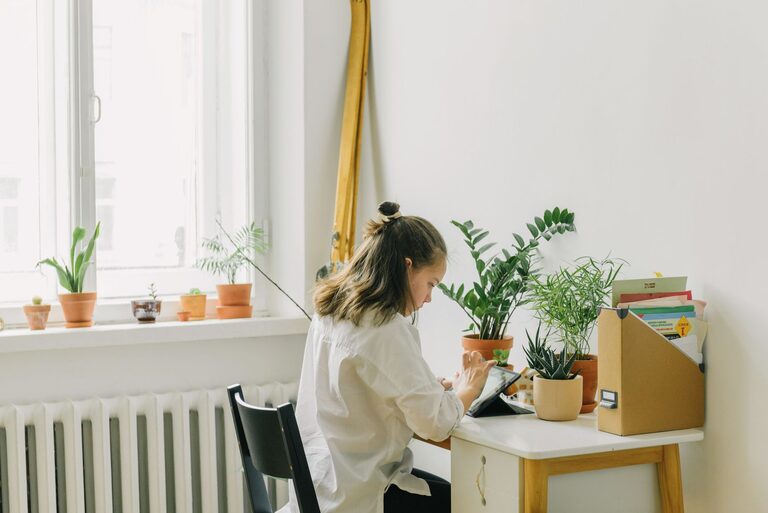
Creating a relaxing home workspace is essential for boosting productivity, especially as many people continue to work remotely or spend more time at home. A well-designed space that promotes calmness and focus can help reduce stress and make work sessions more enjoyable and efficient. In this post, we’ll explore practical tips to help you set up a home workspace that feels both relaxing and productive.
Why a Relaxing Workspace Matters
Your environment can have a big impact on your work habits and mindset. A cluttered or uncomfortable area can lead to distractions and stress, whereas a thoughtfully organized, calming space encourages concentration and creativity. When you dedicate a spot in your home that feels peaceful and inspiring, you’re more likely to stay motivated and get your tasks done effectively.
Choosing the Right Location
Find a Quiet Spot
Select a location in your home that is as free from noise and interruptions as possible. If you share your space with family or roommates, discuss boundaries during work hours to minimize disturbances.
Consider Natural Light
Working near a window provides natural light, which can help improve mood and energy levels. If your workspace lacks windows, consider using daylight-simulating bulbs to replicate the benefits.
Think About Space and Comfort
Ensure there’s enough room for your work essentials and some personal touches. The space should allow you to sit or stand comfortably and move around a bit to prevent stiffness.
Furniture and Ergonomics
Invest in a Comfortable Chair
A supportive chair can prevent back pain and fatigue. Choose one that allows you to sit with feet flat on the floor and offers adjustable height and lumbar support.
Select an Appropriate Desk
Your desk should be at a height that lets you keep your arms at a 90-degree angle while typing or writing. If possible, use a desk with sufficient surface area to accommodate your computer, notebook, and other tools.
Consider Standing Options
A sit-stand desk or a standing desk converter lets you alternate between sitting and standing, which can increase energy and reduce discomfort over long work periods.
Organizing Your Workspace
Declutter Regularly
Keep your desk tidy by removing unnecessary items. A clutter-free area reduces visual distractions and eases mental load.
Use Storage Solutions
Incorporate shelves, drawers, or organizers to keep documents, stationery, and gadgets in place. Labeling boxes or files can make it easier to find what you need without stress.
Manage Cables
Bundle and secure cables with clips or sleeves to avoid tangles and create a cleaner look.
Adding Relaxing Elements
Incorporate Plants
Houseplants improve air quality and add a touch of nature that can lower stress. Low-maintenance options like succulents or pothos work well for workspaces.
Use Calming Colors
Colors like soft blues, greens, or neutrals encourage serenity. You can paint an accent wall or add decor items such as cushions, rugs, or artwork in these hues.
Personalize Thoughtfully
Display a few meaningful items—like photos, inspirational quotes, or small souvenirs—to create a welcoming atmosphere without overcrowding your space.
Lighting for Comfort and Focus
Balance Natural and Artificial Light
Avoid harsh overhead lights that cause glare. Instead, use a combination of natural light and adjustable desk lamps with warm tones.
Reduce Screen Glare
Position your computer screen to minimize reflections from windows or lights. Consider using an anti-glare screen protector if needed.
Establishing a Routine and Boundaries
Set Work Hours
Define specific times for starting and ending your workday to maintain a healthy balance and reduce burnout.
Take Breaks
Incorporate short breaks for stretching, hydration, or a quick walk to refresh your mind and body.
Minimize Digital Distractions
Use apps or settings that limit notifications during focused work sessions to stay on track.
Mindfulness and Comfort Aids
Aromatherapy
Scents like lavender or eucalyptus can promote relaxation. Use a diffuser or a scented candle sparingly to create a calm ambiance.
Comfortable Accessories
Add a cozy blanket or ergonomic wrist rests to improve physical comfort during longer working hours.
Background Sounds
Consider gentle background music or nature sounds to drown out noise and improve concentration. There are many free apps and playlists designed for this purpose.
Final Thoughts
Creating a relaxing home workspace is a personalized process that balances comfort, organization, and a pleasant atmosphere. By focusing on ergonomics, lighting, neatness, and calming decor, you set the foundation for higher productivity and well-being. Remember, the goal is to enjoy your workspace and make it easier to focus on your tasks every day.
Take some time to experiment with these tips and find what works best for you. Small changes can make a big difference in turning your home office into a place where you feel productive and relaxed.
About the Author